Long-Term Studies Contribute Disproportionately to Ecology and Policy
2017·,,,,,, ,,,,,,,,,,,,,,,,,,,
 ,,,,,,
 ,
,
Brent Hughes
Rodrigo Beas-Luna
Allie Barner
Kimberly Brewitt
Dan Brumbaugh
Liz Cerny-Chipman
Sarah Close
Kyle Coblentz
Kristin de Nesnera
Sarah Drobnitch
Jared Figurski
Becky Focht
Maya Friedman
Jan Freiwald
Kristen Heady
Walter Heady
Annaliese Hettinger
Angela Johnson
Kendra Karr
Brenna Mahoney
Monica Moritsch
Ann-Marie Osterback
Jessica Reimer
Jonathan Robinson
Tully Rohrer
Jeremy Rose
Megan Sabal
Leah Segui
Chenchen Shen
Jenna Sullivan
Rachel Zuercher
Pete Raimondi
Bruce Menge
Kirsten Grorud-Colvert
Mark Novak
Mark Carr
BioScience
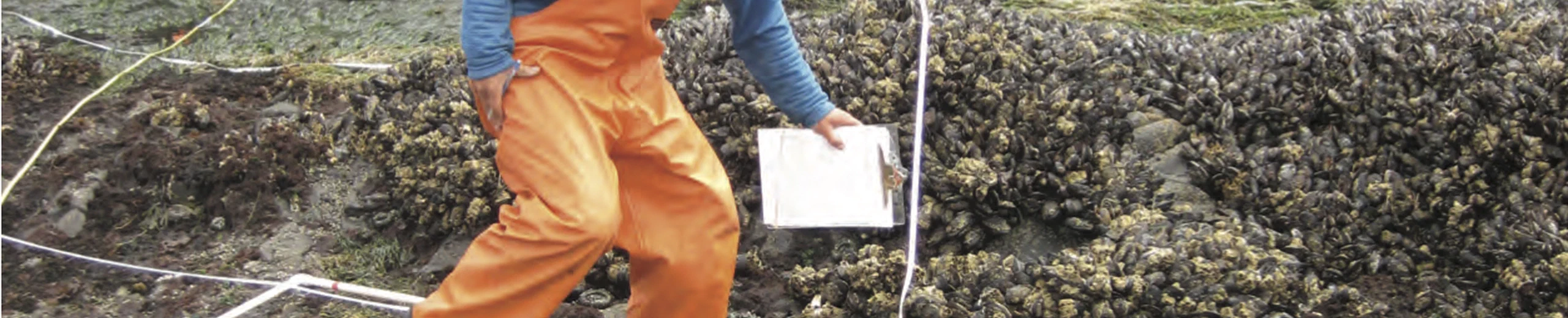
As the contribution for long-term ecological and environmental studies (LTEES) to our understanding of how species and ecosystems respond to a changing global climate becomes more urgent, the relative number and investment in LTEES are declining. To assess the value of LTEES to advancing the field of ecology, we evaluated relationships between citation rates and study duration, as well as the representation of LTEES with the impact factors of 15 ecological journals. We found that the proportionate representation of LTEES increases with journal impact factor and that the positive relationship between citation rate and study duration is stronger as journal impact factor increases. We also found that the representation of LTEES in reports written to inform policy was greater than their representation in the ecological literature and that their authors particularly valued LTEES. We conclude that the relative investment in LTEES by ecologists and funders should be seriously reconsidered for advancing ecology and its contribution to informing environmental policy.